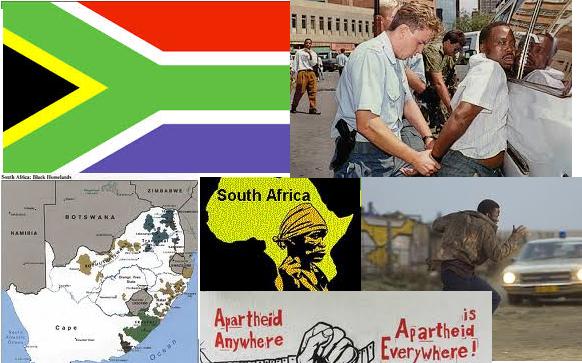
Lesson 2: Nelson Mandela’s biography Objectives: Students should be able to: a) Listen to Nelson Mandela's life. b) Describe the part he played in Apartheid, South Africa. c) Read more about Mandela's biography and write their own biographies about Mandela? Activities: *Watching movies about Nelson Mandela’s biography on: http://www.history.com/topics/apartheid http://www.biography.com/people/nelson-mandela-9397017 http://www.biography.com/people/nelson-mandela-9397017/videos *On ePals.com, students write Mandela’s biography and discuss the part he played during the apartheid in South Africa. Sharing and collaborating in groups. * The class to write the biographies of Nelson on their blogging accounts, including images of Nelson. * Collaborations on the different biographies of Mandela to the class. 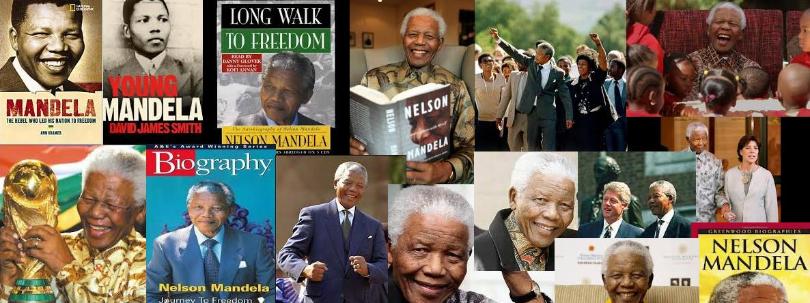 Lesson 3: Evils of Apartheid Objectives: By the end of the one hour lesson, students should be able to; a) Make a list of the evils/effects of Apartheid to the human race. b) suggest ways of solving the Apartheid problems. Activities: * Students work in teams discussing all the evils of apartheid. Class reports. Independent work of completing two columns on a table below:
*Then work on a word search on:http://puzzlemaker.discoveryeducation.com/code/BuildWordSearch.asp*Students go on this link and play games. http://www.storygames.com/forums/categories/the-best-of-story-games |
Lesson 4: What is Freedom? 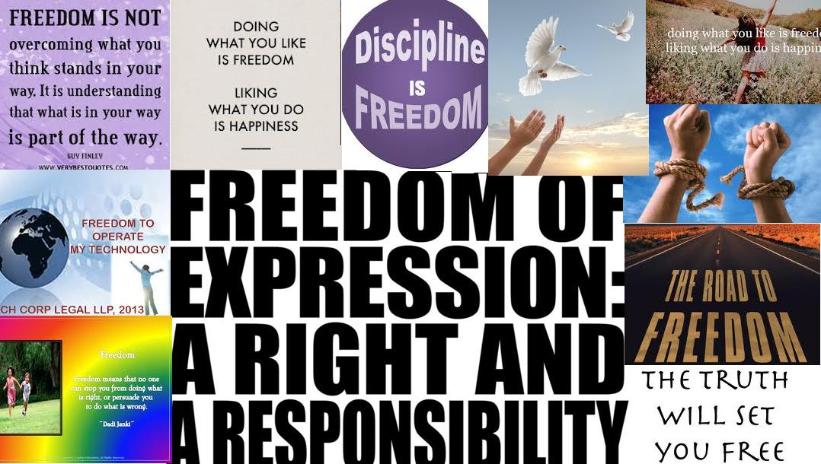 |
Objectives:
a) Describe what freedom is in their own way.
b) Write some poems of freedom.
Activities:
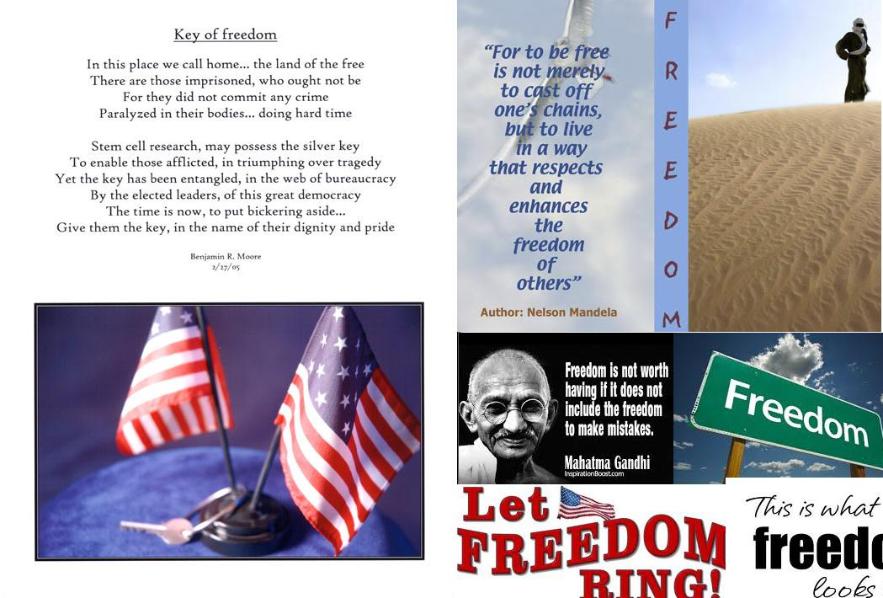
*In their blogging accounts, students paste freedom images and describe what they understand as freedom and publish. Working with partners making commenting on their accounts about freedom. Sharing their thoughts to the class through some presentations.
* Teacher shows the examples of freedom poems to the class. Students to write poems in the ePals accounts and collaborate with partners.
Examples of Freedom poems from: https://www.google.com/search?
Lesson 5: Human Rights Activists
Objectives:
By the end of the unit course students should be able to:
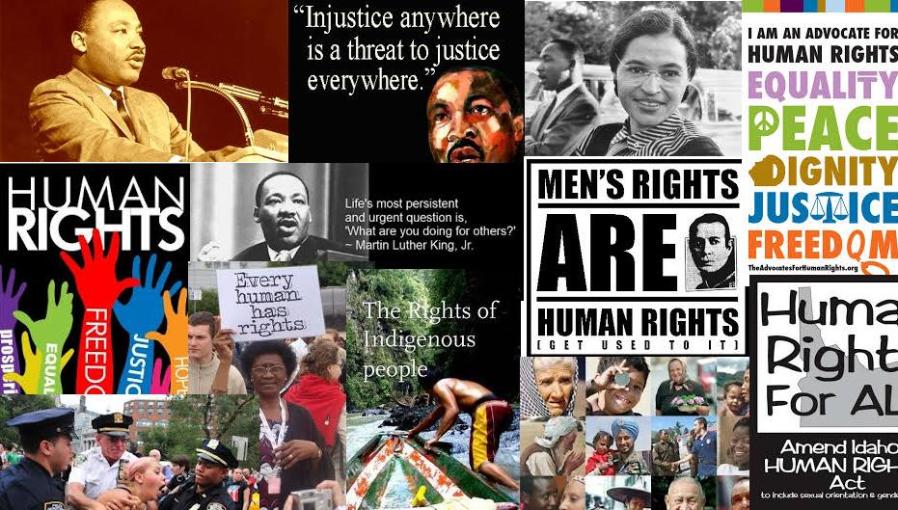
a) Read about different Human activists such as Martin Luther King, Mahatma Gandhi, Mother Theresa, Rosa Park etc.
b) Write their biographies and describe their contributions to the people.
c) Read more about the Bill of rights and their significance.
d) Respond to an assessment skill survey below and a rubric on: http://rubistar.4teachers.org/index.php?ts=1374468085
Human
rights are a set of basic rights that many people believe belong to all humans
by birthright. The Bill of Rights is the collective name
for the first ten amendments to
the United States Constitution.
Bill of Rights
Activities:
* Web searching independently of human activists of their own choice. Reading about them and writing about them in their blogging accounts.
http://www.biography.com/people/martin-luther-king-jr-9365086/videos http://www.youtube.com/watch?v=gdTpU5WZHHM
*Discussions of Bill of rights from: http://www.ushistory.org/documents/amendments.htm Students to choose one bill of rights and write a paragraph to their ePals.